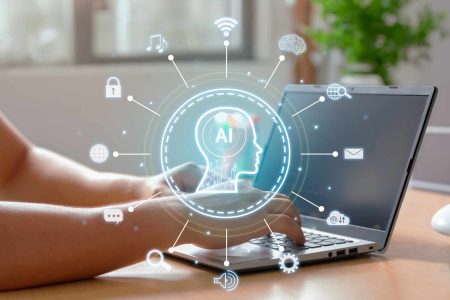
In the rapidly evolving landscape of digital marketing, leveraging AI-powered solutions has become imperative for businesses looking to stay ahead. From enhancing user experience through personalised interactions to implementing targeted marketing strategies, AI offers a myriad of benefits. Overcoming challenges and measuring success with AI analytics are key aspects for organizations aiming to navigate this transformative journey successfully. As we delve into the future of AI in marketing, we explore how businesses can capitalize on AI’s capabilities to revolutionize their marketing approaches.
Content
Boost marketing impact with AI-powered marketing tools and services
Introduction to AI-Powered Personalisation
The Evolution of Personalisation
With the rise of AI technologies, personalisation in marketing has evolved from basic customisation to dynamic, real-time experiences. AI algorithms analyse vast amounts of data to deliver tailored content, products, and recommendations to individual users, enhancing engagement and driving conversions.
The Role of AI in Digital Transformation
AI plays a pivotal role in digital transformation by enabling businesses to automate processes, optimise customer interactions, and unlock valuable insights from data. Integrating AI-powered personalisation empowers organizations to create more meaningful connections with their audience, fostering loyalty and long-term relationships.
The Impact of AI on Consumer Behaviour
AI-driven personalisation not only shapes consumer behaviour but also influences expectations. Consumers now anticipate seamless, personalised experiences across all digital touchpoints, underscoring the importance for businesses to adopt AI technologies to meet these growing demands and remain competitive in the market.
Benefits of AI in Digital Marketing
AI offers a multitude of benefits when applied to digital marketing strategies. One key advantage is the ability to analyse vast datasets quickly and efficiently, providing valuable insights into consumer behaviour and preferences. This deep understanding allows marketers to create highly targeted and personalised campaigns, increasing engagement and conversion rates significantly.
Moreover, AI enhances the efficiency of marketing efforts through automation. Tasks such as email marketing, social media management, and content creation can be streamlined with AI tools, freeing up valuable time for marketers to focus on creativity and strategy. Automation also enables real-time adjustments based on performance data, ensuring campaigns are continuously optimised for maximum impact.
Another major benefit of AI in digital marketing is its predictive capabilities. By analysing patterns and trends in data, AI algorithms can forecast future consumer behaviour, helping marketers anticipate needs and preferences. This foresight allows for proactive and adaptive marketing strategies that resonate with audiences, driving brand loyalty and long-term relationships.
Get AI chatbots powered by ChatGPT & Google Gemini
Implementing AI-Powered Personalisation
Understanding Customer Data
Implementing AI-powered personalisation begins with a comprehensive understanding of customer data. By collecting and analysing data points such as demographics, behaviour patterns, and preferences, businesses can gain valuable insights into their target audience. This data serves as the foundation for creating personalised experiences that resonate with individual customers, driving engagement and fostering loyalty.
Leveraging AI Algorithms
AI algorithms play a key role in processing and interpreting the vast amount of customer data collected. By utilizing machine learning and predictive analytics, businesses can automate the customisation of content, product recommendations, and marketing messages at scale. This level of personalisation, powered by AI, enables companies to deliver tailored experiences in real-time, enhancing the overall customer journey.
Integration with Marketing Strategies
Successful implementation of AI-powered personalisation requires seamless integration with existing marketing strategies. By aligning AI initiatives with overarching marketing goals, businesses can ensure that personalised experiences complement broader campaign objectives. This strategic integration not only enhances the effectiveness of marketing efforts but also allows for continuous optimisation based on real-time data and insights.
Transform your business with custom AI solutions from a leading Artificial Intelligence Agency.
Enhancing User Experience with AI
Enhancing user experience through AI technologies is paramount in today’s digital landscape. AI enables businesses to deliver personalised interactions that resonate with customers on a deeper level. By analysing user behaviour and preferences in real-time, AI-powered systems can tailor content, product recommendations, and marketing messages to individual users, creating a more engaging and relevant experience.
Furthermore, AI enhances user experience by facilitating seamless interactions across multiple touchpoints. Chatbots powered by AI, for example, provide instant and personalised customer support, improving response times and overall satisfaction. AI-driven personalisation also extends to website experiences, where dynamic content recommendations and personalised offers can significantly enhance user engagement and conversion rates.
Moreover, AI contributes to the optimisation of user interfaces based on user preferences and behaviour. Through A/B testing and continuous analysis of user interaction data, businesses can refine their interfaces to better meet the needs and expectations of their audience. This iterative process of AI-driven optimisation ensures that user experience remains at the forefront of digital initiatives, ultimately leading to increased customer satisfaction and loyalty.
Experience effortless, cost-effective social media management with AI technologies
AI Strategies for Targeted Marketing
Personalised Content Creation
Personalised content creation is a cornerstone of targeted marketing strategies powered by AI. By leveraging AI algorithms to analyse customer data and behaviour, businesses can craft tailored content that resonates with specific audience segments. From personalised emails to dynamic website content, AI enables marketers to deliver the right message to the right person at the right time, enhancing relevance and engagement.
Predictive Customer Segmentation
AI transforms customer segmentation by incorporating predictive analytics into the process. Instead of relying solely on historical data, AI algorithms can predict future behaviours and segment customers based on their likely preferences and actions. This predictive customer segmentation allows businesses to target specific audience segments more effectively, improving the efficiency and impact of marketing campaigns.
Automated Campaign Optimisation
AI-driven targeted marketing strategies involve automated campaign optimisation to maximise results. By continuously analysing performance data in real-time, AI can optimise various elements of marketing campaigns, such as ad placements, messaging, and targeting parameters. This automated optimisation ensures that marketing efforts are consistently refined for maximum impact, driving better ROI and engagement levels.
Measuring Success with AI Analytics
Measuring success in digital marketing is crucial, and AI analytics play a vital role in providing valuable insights into campaign performance. AI-powered analytics tools offer a comprehensive view of key metrics such as engagement rates, conversions, and ROI. By leveraging AI algorithms to analyse this data, marketers can gain a deeper understanding of customer behaviour and the effectiveness of their marketing strategies, leading to more informed decision-making and optimised campaign performance.
Moreover, AI analytics enable marketers to track the customer journey across various touchpoints and channels. By implementing advanced attribution models and customer segmentation techniques, businesses can attribute conversions accurately and identify the most effective marketing channels. This holistic view of the customer journey, powered by AI analytics, allows marketers to optimise their strategies for each touchpoint, driving higher conversion rates and improving overall campaign success.
Furthermore, AI analytics provide real-time insights that allow for agile decision-making and campaign adjustments. By monitoring key performance indicators in real-time, marketers can quickly identify trends, patterns, and opportunities for optimisation. This agile approach to analysing and acting on data ensures that marketing campaigns are responsive to changing market conditions and consumer behaviour, ultimately leading to more successful outcomes and improved ROI.
Elevate your business with DIGITALON AI’s custom AI services and solutions.
Overcoming Challenges with AI
Data Privacy and Security Concerns
One significant challenge in leveraging AI for marketing is navigating issues related to data privacy and security. As AI systems rely on vast amounts of customer data to deliver personalised experiences, businesses must prioritize data protection and compliance with regulations such as GDPR. Implementing robust data privacy measures and ensuring transparency in data usage are essential to building trust with customers and mitigating potential risks.
Skill Gaps and Training Needs
Another challenge businesses face when implementing AI in marketing is bridging skill gaps and addressing training needs within their teams. AI technologies require specialised knowledge and expertise to operate effectively, and many organizations may lack the necessary resources or training programs. Investing in upskilling employees, hiring AI experts, or utilizing external AI services can help businesses overcome this challenge and maximise the potential of AI technologies in their marketing initiatives.
Integration with Existing Systems
Integrating AI technologies with existing marketing systems and workflows can present challenges in terms of compatibility and scalability. Businesses must ensure seamless integration between AI platforms and their CRM, analytics tools, and other marketing systems to leverage AI-driven insights effectively. This process may require customisation, data migration, and ongoing maintenance to optimise system performance and ensure a cohesive marketing strategy that fully capitalizes on AI capabilities.
The Future of AI in Marketing
The future of AI in marketing is poised for groundbreaking advancements that will revolutionize the way businesses engage with their audiences. AI technologies are continuously evolving, enabling deeper levels of personalisation and automation in marketing campaigns. As AI systems become more sophisticated, they will increasingly anticipate customer needs and behaviours, delivering hyper-personalised experiences that drive engagement and loyalty.
One key aspect of the future of AI in marketing is the integration of AI across the entire customer journey. From initial brand interactions to post-purchase engagement, AI-driven personalisation will create seamless and consistent experiences for customers across all touchpoints. This end-to-end personalisation approach not only enhances customer satisfaction but also boosts brand loyalty and advocacy, as businesses demonstrate a deep understanding of their customers’ preferences and needs.
Moreover, the future of AI in marketing will see increased emphasis on ethical AI practices and transparency. As AI technologies play a more significant role in shaping marketing strategies, businesses will need to prioritize ethical considerations, data privacy, and algorithmic transparency. Maintaining trust with customers by implementing ethical AI frameworks and practices will be paramount in ensuring sustainable long-term success in the evolving landscape of AI-driven marketing.
Key Takeaways
As businesses navigate the ever-changing landscape of digital marketing, the integration of AI-powered solutions presents unprecedented opportunities for innovation and growth. From personalised content creation to predictive analytics and automated optimisation, AI is reshaping the way marketers engage with their audiences. By overcoming challenges, leveraging AI strategies, and measuring success with advanced analytics, businesses can unlock the full potential of AI in marketing. Looking ahead, the future of AI in marketing holds promises of even deeper personalisation, end-to-end customer journey integration, and a steadfast commitment to ethical AI practices. Embracing the transformative power of AI is not just a recommendation but a necessity for businesses striving to stay competitive and deliver exceptional customer experiences in the digital age.